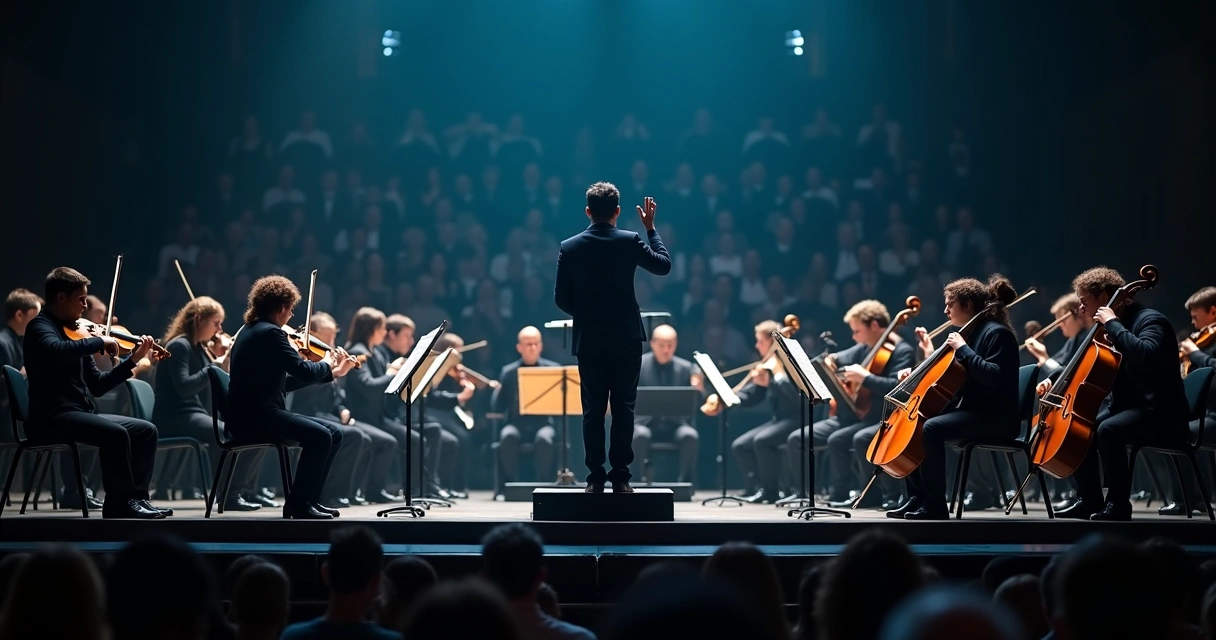
We often think groups are shaped by clear facts. Who speaks. Who decides. Who leads. Yet in our experience, the strongest forces in a group are often the least visible. They appear in pauses, repeated jokes, side glances, sudden silence, and in what never gets said.
Systemic signal detection means noticing small patterns that reveal how a group really works beneath its stated structure.
We see this in families, teams, classrooms, and communities. A meeting may look calm, but one person keeps checking another before speaking. A family dinner may seem warm, yet one topic always changes the mood. These are not random moments. They are signals.
When we learn to read them, we stop treating conflict, withdrawal, or confusion as isolated acts. We begin to see relationship patterns, role pressure, hidden loyalties, and unspoken fear. That shift changes everything.
What hidden group dynamics look like
Hidden group dynamics are forces that shape behavior without becoming explicit rules. Nobody says them out loud, but everyone adapts to them. We may enter a room and feel the tension before anyone speaks. That feeling is data.
A group can develop silent agreements such as:
- One person can question, but another cannot.
- Disagreement is allowed only if it sounds polite.
- Someone must play the stable one, even when tired.
- One member carries blame so the group can avoid self-examination.
Years ago, we observed a work group that praised openness. On paper, it looked healthy. In practice, each hard issue was turned into a joke within seconds. Nobody interrupted. Nobody objected. Still, the pattern told the story. Humor was being used to keep pain outside the room.
What repeats is rarely accidental.
That is why hidden dynamics are best detected through patterns, not through single events.
Where the signals appear
Signals tend to appear at points of pressure. We notice them when the group faces uncertainty, status shifts, or emotional exposure. In those moments, the system shows its reflexes.
Some of the clearest places to watch are these:
- How the group reacts when someone brings bad news
- Who gets interrupted and who does not
- What topics create speed, deflection, or vagueness
- Who is expected to soothe tension
- Who becomes invisible during conflict
- How newcomers adjust to old habits
Signals are often strongest during transitions, because groups reveal themselves when stability is shaken.
We also pay attention to timing. A delayed reply can matter. So can a laugh that comes too early. So can a change in tone after one person enters the room. None of these signs prove meaning on their own, but together they create a map.

How to observe without rushing to judgment
Good systemic observation asks for restraint. If we label people too fast, we stop seeing the group. We turn living patterns into personal flaws. That is a common mistake.
Instead, we can move in a simple sequence:
- Notice the event
- Track repetition
- Ask what function the pattern serves
- Observe who gains relief and who carries strain
Suppose one member always arrives late and the group complains. We could call that person irresponsible and stop there. But if the group becomes more united each time they criticize that person, then the lateness may be doing more than causing delay. It may be helping the group create false cohesion through shared blame.
This is where systemic signal detection becomes sharp. We do not ask only, “Who did what?” We also ask, “What does this pattern protect?”
In many groups, a visible problem is performing a hidden function.
That question opens deeper insight and lowers moral panic. We become more accurate, and often more humane.
The main categories of hidden signals
In our work, it helps to group signals into a few categories. This keeps observation grounded and practical.
We usually look for:
- Speech signals. Repeated phrases, careful wording, jokes after tension, or topics that lose detail.
- Relational signals. Alliances, exclusions, protective pairings, or one person acting as translator for another.
- Emotional signals. Uneven anxiety, sudden relief, exaggerated calm, or irritation that moves through the room.
- Behavioral signals. Chronic lateness, overexplaining, silence, side conversations, or ritual apologies.
- Structural signals. Decisions made outside the formal process, unclear authority, or rules that apply selectively.
When several categories point in the same direction, the hidden pattern becomes easier to name.
Why groups hide their own patterns
Most groups do not hide these patterns on purpose. They hide them because the pattern once solved a problem. It reduced fear. It kept belonging intact. It helped the group avoid a truth that felt too costly.
A family may avoid naming grief because grief once flooded everyone at once. A team may speak in abstractions because direct speech once led to punishment. A community may idealize unity because division feels dangerous.
We should take this seriously. Hidden patterns are not always signs of bad faith. Often they are signs of adaptation.
Every silence has a history.
That does not mean the pattern should continue. It means we understand it better when we see the fear beneath it.

Practical ways to detect signals in real time
We do not need a laboratory setting to do this well. We need disciplined attention. A few habits can improve perception fast.
During live observation, we suggest focusing on three layers at once:
- The stated content, meaning what people say they are discussing
- The interaction pattern, meaning who moves toward whom, who withdraws, and who regulates tension
- The emotional field, meaning the shared mood that rises, drops, or hardens
It also helps to write short notes right after the event. Memory edits fast. We may forget the sequence, the timing, or who shifted the tone. Brief notes preserve raw detail before interpretation takes over.
If we are participating rather than observing from outside, self-observation matters too. Our own body can register signals before our mind has language for them. Sudden fatigue, caution, confusion, or pressure to rescue someone may tell us something about the group field.
Our reactions can become instruments of perception when we examine them carefully instead of obeying them automatically.
Conclusion
To spot hidden group dynamics, we need more than attention to behavior. We need attention to pattern, pressure, and meaning. Small signals matter because they show how a group preserves order, distributes burden, and protects identity.
When we detect these signals early, we gain a better chance to respond with clarity instead of impulse. We stop blaming individuals for what the whole system is shaping. We also become less naive about harmony. Some peace is real. Some peace is only suppression with good manners.
We think this kind of perception builds maturity. It helps us listen beneath words, read repetition with care, and notice where a group is asking one person to carry what belongs to many. Once we can see that, new choices become possible.
Frequently asked questions
What is systemic signal detection?
Systemic signal detection is the practice of noticing small repeated signs that reveal how a group functions beneath formal roles and spoken rules. These signs can include silence, interruption patterns, emotional shifts, alliances, and repeated avoidance of certain topics.
How to identify hidden group dynamics?
We identify hidden group dynamics by tracking repetition over time. We watch who speaks freely, who hesitates, what subjects create tension, and how the group reacts under pressure. The goal is to see patterns, not isolated events.
Why are group dynamics often hidden?
Group dynamics are often hidden because they protect belonging and reduce anxiety. Many patterns begin as adaptations to stress, conflict, grief, or fear. Over time, they become normal, so members follow them without naming them.
What tools help spot group dynamics?
Useful tools include structured observation, reflective note-taking, pattern mapping, feedback rounds, and awareness of body language and tone shifts. In many cases, careful self-observation also helps, because our reactions may reflect the pressure present in the group.
Can systemic signal detection improve teamwork?
Yes. Systemic signal detection can improve teamwork by making hidden pressure visible. When groups see how blame, silence, avoidance, or role rigidity are operating, they can build clearer communication, fairer responsibility, and more honest cooperation.