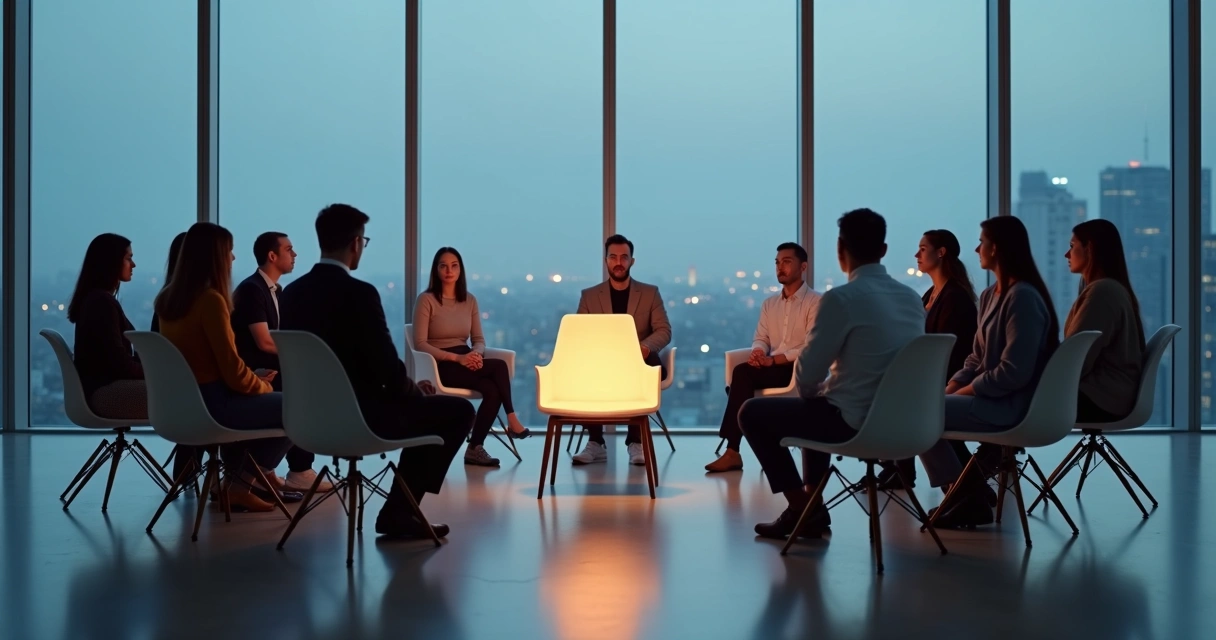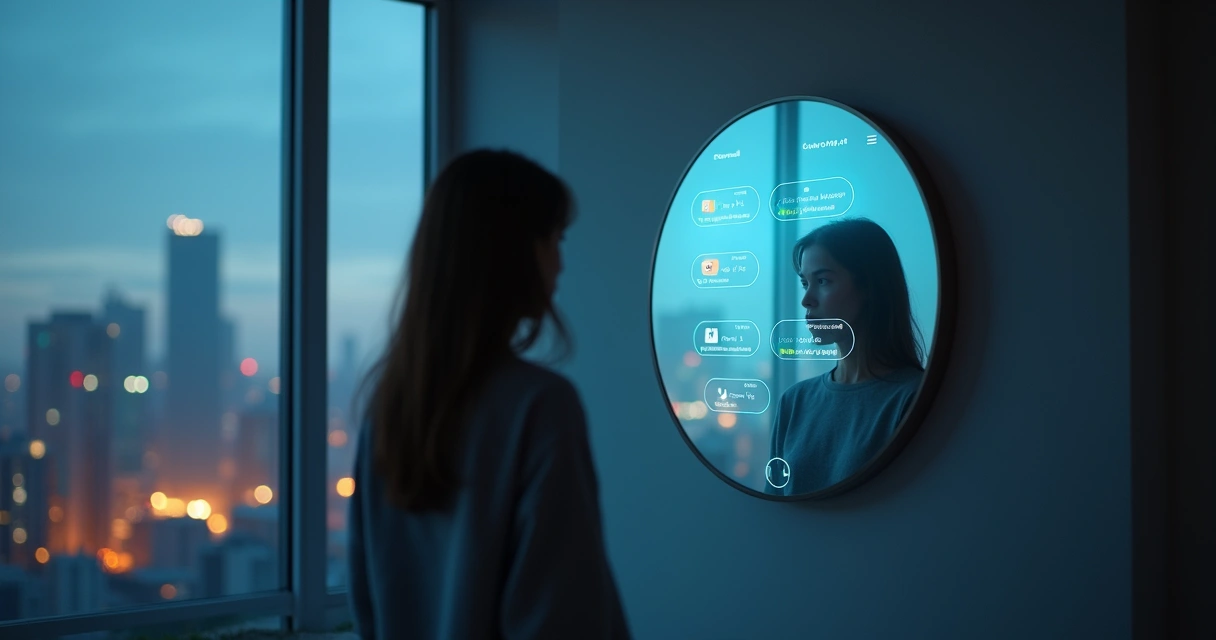
We live with screens in our hands, on our desks, and beside our beds. They wake us up, fill our pauses, and often stay with us until sleep. This closeness has changed more than our routines. It may also be changing how well we notice our own thoughts, moods, impulses, and inner shifts.
Self-observation is the ability to notice what is happening inside us while it is happening.
We think many people still want this skill, but they have less space to practice it. A phone can answer boredom in seconds. A smart watch can interrupt silence before a thought settles. A feed can replace reflection with reaction. None of this makes self-observation impossible. But it does make it harder.
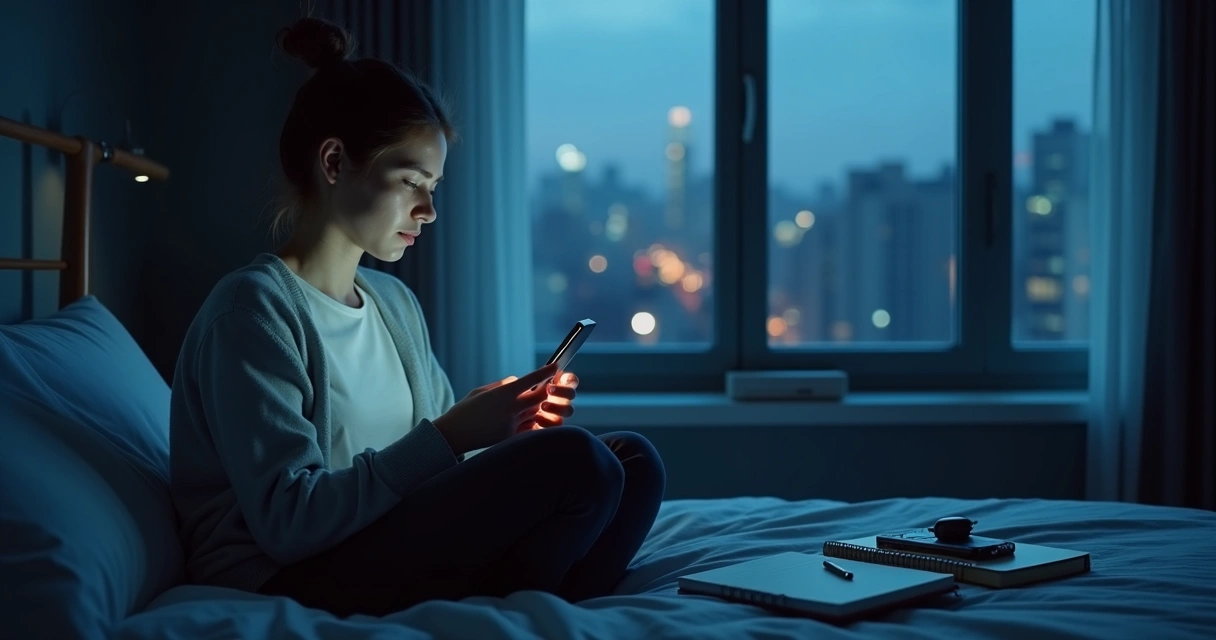
We have all seen small scenes that say a lot. A person stands in line and reaches for the phone before looking around. Someone feels uneasy at night and opens apps instead of asking, "What am I feeling?" Another person sits with friends, laughs, posts, scrolls, and goes home unable to say whether the evening brought joy or exhaustion.
Noise outside can weaken sight inside.
What smart device culture changes in us
Smart devices are not just tools. They shape rhythm, attention, and expectation. We get used to constant input. We expect fast relief from discomfort. We train the mind to move outward again and again.
When attention is pulled outward too often, inner perception tends to grow dull.
This does not mean devices are harmful by nature. We use them for work, learning, care, and connection. The real issue is not ownership of a device. It is the pattern of dependence that forms around it.
In our view, three shifts happen often:
Silence becomes rare, so subtle feelings go unnoticed.
Discomfort gets escaped quickly, so we do not learn from it.
Attention becomes fragmented, so we lose the thread of our own experience.
These shifts matter because self-observation needs duration. We need a little uninterrupted time to notice a tension in the chest, a repeated thought, a defensive reaction, or a quiet desire that keeps returning.
Why distraction is not a small issue
Many people speak about distraction as if it were only a drop in focus. We think it reaches deeper. Repeated distraction can become a style of consciousness. It can train us to avoid contact with what is present.
Imagine a simple moment. We receive a message that upsets us. In the first seconds, many things arise: heat, judgment, fear, memory, and the urge to answer fast. If we can observe this inner movement, we gain choice. If we cannot, impulse takes over.
That is why self-observation is tied to freedom. It lets us see before we act.
Are younger generations losing the skill?
We should be careful with easy blame. Younger people are not weaker by default, and older people are not naturally more reflective. Every age adapts to its environment. If the environment rewards speed, display, and constant response, then slower inner skills may receive less training.
What may be declining is not human depth, but daily conditions for depth. Children and adults now grow within systems built to capture attention. This shapes habit early. A pause feels empty. Waiting feels irritating. Reflection feels slow.
Still, we have also seen young people who are highly perceptive, emotionally aware, and thoughtful. The difference often lies in whether they have spaces where inner life is named, respected, and practiced.
Self-observation does not disappear in digital culture, but it can become underdeveloped without regular practice.
Signs that self-observation may be weakening
We do not need a lab to notice some signs. They appear in common life. Sometimes they appear in us first, which can be uncomfortable. But that discomfort is useful.
Some signs include:
We reach for a device as soon as silence appears.
We feel restless but cannot name the feeling.
We confuse stimulation with rest.
We react quickly and only understand our reaction later.
We depend on external feedback to know how we are doing.
None of these signs means a person is failing. They point to a trainable gap. We can rebuild the bridge between attention and inner life.
How we can recover the habit of looking within
The answer is not to reject technology and disappear from modern life. That would be unrealistic for most people. The answer is to restore intervals of presence inside ordinary days.
We have found that simple practices work best because they can last. For example:
Pause before unlocking the phone and ask what you are seeking.
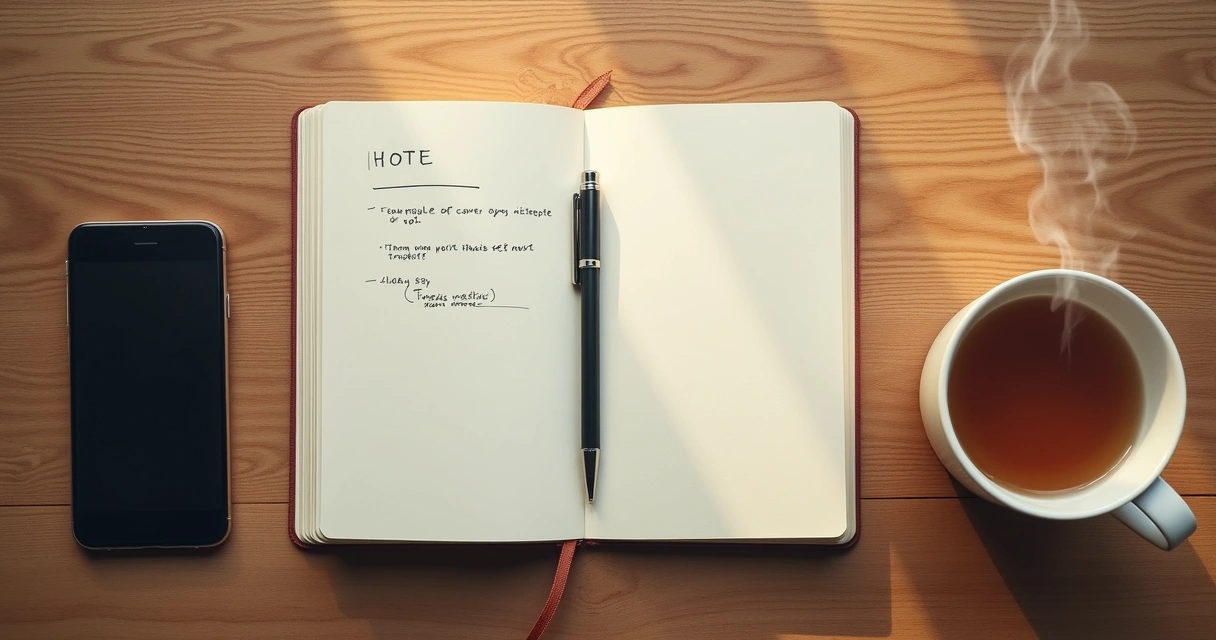
Spend five minutes each day sitting without media or tasks.
Name inner states with plain words such as tense, dull, calm, resentful, open, or tired.
Notice body signals before mental stories take over.
Keep one part of the day free from alerts.
These are small actions. Still, they shift something. They make us less automatic. They help us catch the first movement of emotion before it hardens into behavior.
Attention is a form of self-respect.
Conclusion
Yes, self-observation skills may be declining in smart device culture, but not because human beings have lost their depth. We think the deeper issue is that many of us live with too little stillness, too much interruption, and too much training in outward reaction. The skill weakens when it is not used.
That is the hopeful part. What weakens can be strengthened. We can recover the ability to witness our own mental and emotional movements with honesty. We can build moments where no screen speaks first. We can notice what we feel before we explain it away.
The future of self-observation depends less on technology itself and more on how we shape our attention around it.
Frequently asked questions
What are self-observation skills?
Self-observation skills are the mental and emotional abilities that help us notice thoughts, feelings, body signals, habits, and reactions in real time. They allow us to see what is happening inside us without rushing to deny, justify, or act on it.
How do smart devices affect self-observation?
Smart devices can reduce self-observation when they fill every pause, interrupt silence, and reward quick reaction. If we turn to screens whenever discomfort appears, we get fewer chances to notice and understand our inner state.
Can you improve self-observation skills?
Yes, we can improve them with practice. Short periods of silence, journaling, body awareness, slower responses, and mindful limits on notifications can strengthen our ability to notice inner experience clearly.
Why are self-observation skills important?
They matter because they help us act with more awareness. When we can observe ourselves, we make better sense of emotion, reduce impulsive behavior, understand patterns, and build more honest relationships with others and with ourselves.
How to limit smart device distractions?
We can start by turning off non urgent alerts, keeping devices away during meals or reflection time, setting fixed screen breaks, and placing the phone out of reach during focused tasks. Even small boundaries can create the silence needed for better self-observation.