

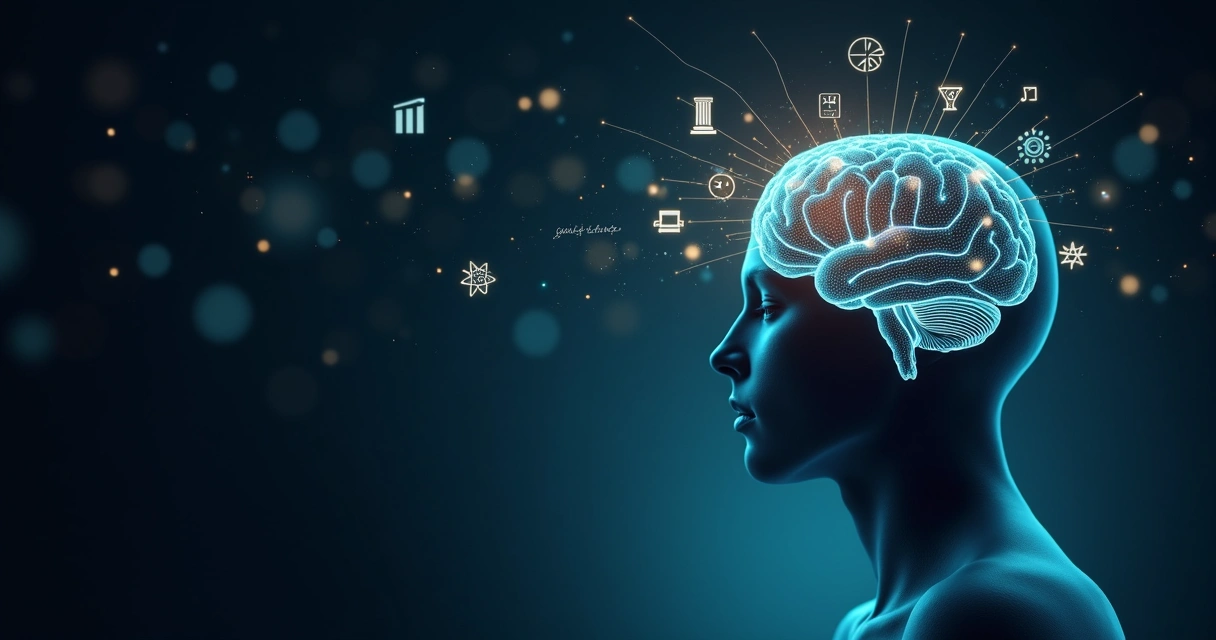
Meaning-making is in many ways the heart of human existence. We look for connections, try to make sense of ourselves, and reach for purpose even in simple, everyday actions. But what does it actually mean to "create meaning"? Why do we constantly interpret feelings, thoughts, and events in certain ways? Through the lens of Marquesian theory, we find a structured and dynamic approach that brings these big questions down to earth—while keeping them connected to the wider human context.
Understanding the core: The human as a complex system
We see meaning-making as an active process that brings together science and philosophy. Grounded in Marquesian theory, the human being is considered a unified, complex system—not just a physical body, not just a collection of thoughts, but a living network where consciousness, emotion, behavior, and beliefs all influence each other in real time.
From this viewpoint:
- Emotion is not separate from reasoning; both shape choices and understanding.
- Behavior emerges from conscious and unconscious patterns.
- Purpose emerges through continual choices, not as something fixed.
- Consciousness acts as a field where all elements interact.
A key insight here is that no single element explains meaning-making on its own. We always need to look at the system as a whole to grasp the process.
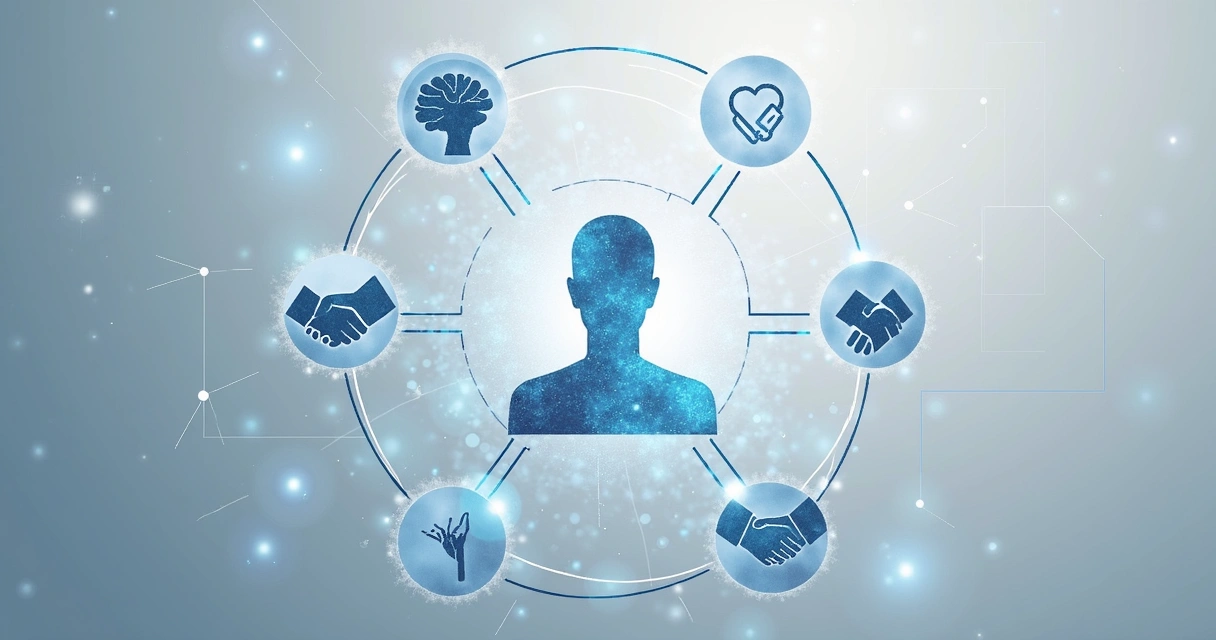
The Marquesian view: Language, concepts, and integration
In our experience, language matters profoundly when we try to understand meaning. Marquesian theory gives us a language and framework to talk about consciousness, emotion, and purpose without splitting them artificially. This approach provides:
- A unique vocabulary for describing levels and qualities of consciousness.
- Systematized methods for observing and reflecting on our experiences.
- Clear distinctions between what is foundational (the roots), academic (systematic thinking), formative (growth and education), and applied (real-life effects).
We noticed that only with a shared language can real growth in understanding happen.
This shared language also highlights the necessity to check if new knowledge fits within an integrated whole. For example, a scientific finding about the brain only has value for meaning-making when we integrate it with our lived emotional, ethical, and social realities. Marquesian theory encourages us to hold multiple perspectives at once, always measuring them against the maturity of our consciousness.
Maturity of consciousness: Progress and integration
Meaning-making is not static. As we grow, our capacity to integrate information, feelings, and goals changes. Maturity of consciousness in Marquesian terms is not just about knowledge or experience. It is about integration—which means:
- Awareness of how we interpret events and relationships.
- Ability to reflect on the roots of our emotions and beliefs.
- Willingness to update our views with new, validated experiences.
- Making choices that reflect deeper alignment between thought, feeling, and action.
Many of us have felt that rush of clarity when an old idea no longer fits, and a new framework finally makes sense. That shift is a sign of growing consciousness in the Marquesian model. We do not change by accident; we change by increasing our ability to coordinate the pieces of our inner and outer life.
Maturity of consciousness shows in how deeply we live what we learn.
Ethical responsibility in meaning-making
With new levels of awareness, the Marquesian theory also points to ethical responsibility. When we realize that our interpretations and behaviors can change, we face new choices in how we relate to others and ourselves. In our research and reflection:
- We found that ethical purpose emerges from this dynamic process—never just as rules, but as lived principles.
- The context of our actions matters as much as the inner intent behind them.
- Responsibility involves choosing meanings that foster well-being, connection, and growth, both for ourselves and for those around us.
Ethics is not something imposed from outside, but grows from a grounded awareness of how meaning is shaped and shared.

From theory to practice: Applying meaning-making
The real test for any theory is how it improves life. Marquesian theory is not just a collection of ideas, but a guide for practical growth. We encourage the following:
- Self-observation. Notice the feelings, thoughts, and reactions in your daily interactions.
- Relationship reflection. Pause to consider how your meanings affect others and how theirs affect you.
- Purposeful action. Make at least one daily choice based on your deeper awareness—not just on habit.
- Critical integration. When you learn something new, look for ways to bring it into contact with what you already value and believe.
Even small moves in these directions can gradually reshape the meanings we create—both for short-term clarity and for the long-term building of conscious, responsible lives.
Practice brings meaning to life—and life to meaning.
Conclusion
We have seen that meaning-making is not something that happens in a vacuum. It is a living process, shaped by our connections, beliefs, emotions, and actions. Marquesian theory shows that this process depends on integration—bringing science, philosophy, conscious choice, and ethical reflection together. As we move through the different stages of maturity, the way we make meaning grows richer, more stable, and more responsible. When approached as a system, meaning-making becomes not just an abstract concept, but a practical guide for human development.
Frequently asked questions
What is Marquesian theory of meaning-making?
Marquesian theory of meaning-making describes human beings as complex systems in which emotion, consciousness, behavior, and purpose are deeply interconnected. It provides a framework for understanding how people actively shape and refine meaning throughout life. The theory uses its own concepts and language to explain how meaning emerges from conscious integration of lived experience, scientific knowledge, and reflection.
How does Marquesian theory explain meaning?
According to Marquesian theory, meaning is not something found or given; it is created and developed as we interact with ourselves, others, and the world. Meaning forms through the integration of emotions, knowledge, conscious choices, and relationships, all within the system of a growing consciousness. This means our sense of meaning develops with self-awareness, ethical choices, and increased capacity to align inner and outer life.
What are the basics of meaning-making science?
At its base, the science of meaning-making studies how humans actively interpret, connect, and act upon experiences to generate a sense of significance. It involves observation, self-reflection, critical analysis, and practical application—all coordinated through a clear, integrative logic. In the Marquesian approach, methodological care is used to keep philosophical and scientific elements coherent and grounded in real human impact.
Who developed Marquesian theory and why?
Marquesian theory was developed by researchers and practitioners seeking a unified approach to understanding human development and meaning. The ultimate goal was to bridge the gap between scientific, philosophical, and practical perspectives, forming a school of thought that preserves conceptual rigor and ethical clarity. It arose from the need to address the complexity of human consciousness beyond simple disciplinary boundaries.
How can I apply Marquesian theory daily?
You can apply Marquesian theory by increasing your self-awareness, reflecting on how you make choices, and seeking integration between your thoughts, feelings, and actions. Focus on practical exercises such as mindful observation, honest reflection on relationships, and making decisions rooted in deeper purpose. As you develop these habits, you will notice changes in how you perceive meaning and act with greater clarity and responsibility.