

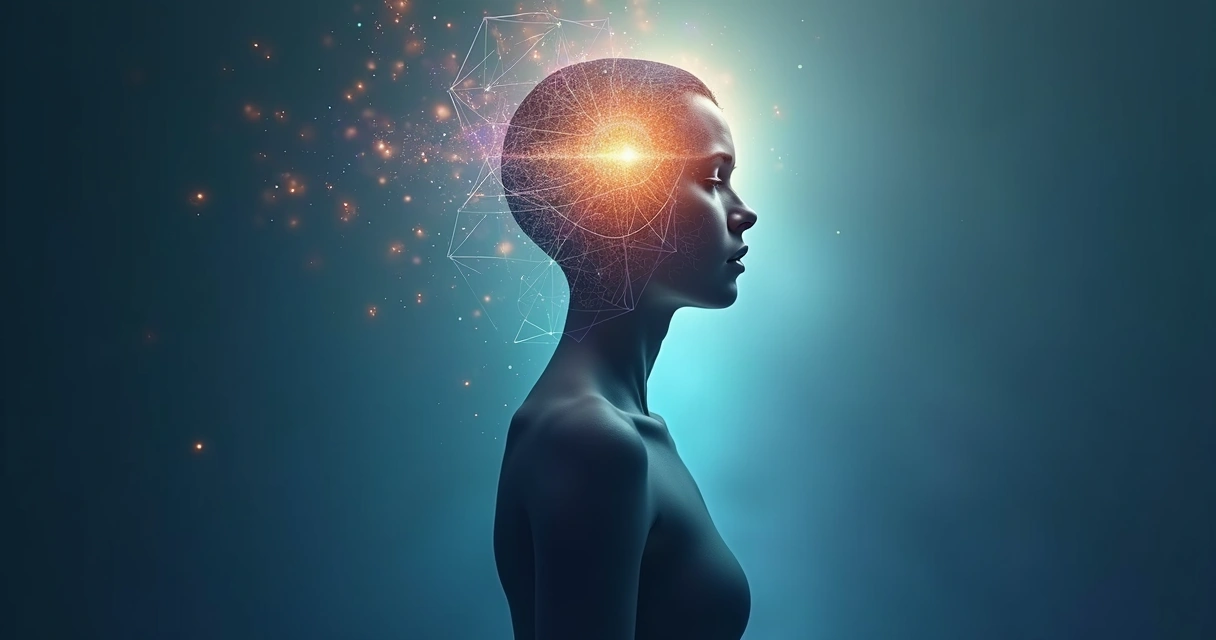
As someone who has spent years studying human development, I have found that the question of who we are is far richer than it might first appear. The pursuit of identity may sound like a matter of personal taste or biography, but in reality, it involves the interplay of mind, body, relationships, inner narrative, and something deeper—purpose. The concept of “integrative self-identity” isn’t just a theoretical term; it is a living, breathing framework for understanding what it means to be human in a connected, respectful, and fulfilling way.
Who am I, really?
If you have ever paused to reflect on that, you have already started walking the path of integrative self-identity.
What is integrative self-identity?
In my research and practical life, I noticed that people often split themselves into different categories. There’s the work-self, the family-self, the friend-self, the online-self, and perhaps even the secret self known only to the mirror at dawn. Yet, integrative self-identity means holding these parts together with honesty, coherence, and purpose.
At Neural Mind Guide, and especially within Marquesian Consciousness, integrative self-identity arises from the understanding that no single aspect explains us in isolation. You are not just your job, your emotions, or your thoughts—your identity is formed at their intersection. It is “integrative” because it acknowledges the connections between:
- Personal history and future intentions
- Thoughts and emotions
- Individual will and social values
- Past influences and present choices
- Inner reflection and outward action
In practical terms, integrative self-identity is both a process and a goal. It invites you to look at your beliefs, actions, relationships, and sense of meaning, weaving them together into a harmonious narrative.
Why does integrative self-identity matter?
My perspective is shaped by watching people struggle with fragmentation. Too many times I have seen friends, students, and readers feel “lost” simply because their inner story no longer matches their daily life. There can be tension between professional success and personal values, pressure from others to conform, or pain from unresolved experiences.
When your inner experience and outer actions are disconnected, stress rises. Integrative self-identity reduces internal conflict by creating alignment between what you believe and how you live. This doesn’t make life simple, but it makes it clearer.
From the lens of Marquesian Consciousness, I see integrative self-identity as more than self-acceptance. It is about growing up, not just growing older. It is a continuous unfolding that both respects each moment and aspires toward greater coherence, maturity, and meaning.
How does integrative self-identity develop?
Building an integrative self-identity is not a one-time achievement. In my view, it grows through stages, much like the rings of a tree. I often guide readers to notice three broad phases:
Fragmentation awareness: This is the moment when you realize your various "selves" do not align, and the desire for integration awakens.
Reflective connection: At this stage, you intentionally examine your beliefs, behaviors, and relationships. Patterns emerge, and contradictions become visible—but so do your strengths and aspirations.
Coherent enactment: Now, you bring your insights into action. Your choices, words, and priorities begin to express your deeper values and goals. The process isn't perfect, but it becomes more consistent.
Sometimes, a crisis or major life event triggers these phases. Sometimes, it is deliberate introspection. I have learned that either can move us forward, but what matters is not the trigger—it is the commitment to continuity.
Key components of integrative self-identity
Over time, and through the lens of Neural Mind Guide, I have identified several major components that are always present when someone is living with integrative self-identity:
- Self-knowledge: Honest understanding of one’s values, desires, habits, and limits.
- Emotional integration: Allowing emotions to inform choices, without being ruled by them.
- Cognitive alignment: Thoughts and beliefs that support rather than sabotage purpose.
- Relational coherence: Interactions that reflect your authentic self, rather than social masks.
- Purposeful meaning: Clear sense of what gives your life value and direction.

Each of these is necessary, but I have learned that their real power lies in how they come together. When even one area is disconnected, you can feel tension. When they align, life feels fluid—even in the face of difficulty.
Common obstacles to integration
I have seen many people trip over common barriers while seeking a more integrated identity. Some of these include:
- Lack of self-awareness or ability to reflect without judgment
- Pressure to fit social or family expectations
- Unresolved past trauma clouding the present
- Belief systems that support inner fragmentation (“I must be different at work vs. home”)
- Fear of failure or of being “inauthentic”
In my experience, what matters is not to judge ourselves for these barriers, but to recognize them as invitations. Each challenge reveals where more integration is possible.
Practical steps to grow integrative self-identity
You might wonder, how do you strengthen this quality? In my daily life and work at Neural Mind Guide, I have found that small consistent steps add up over time. Here are a few ways that I encourage people to begin:
- Daily reflection: Spend five minutes each evening asking "Where was I most myself today?" and "Where did I feel divided?" Write down your answers.
- Values inventory: List your true values—not the ones you think you “should” have. Compare these with your recent actions.
- Emotional check-ins: Notice emotional patterns without criticism. Ask, “What is this emotion telling me about what I need?”
- Authentic conversation: Practice speaking from your values with someone you trust. Notice when you shift your message to please others.
- Purpose mapping: Sketch or write a map of what gives your day, month, or year meaning. Use this as a guide for decision-making.
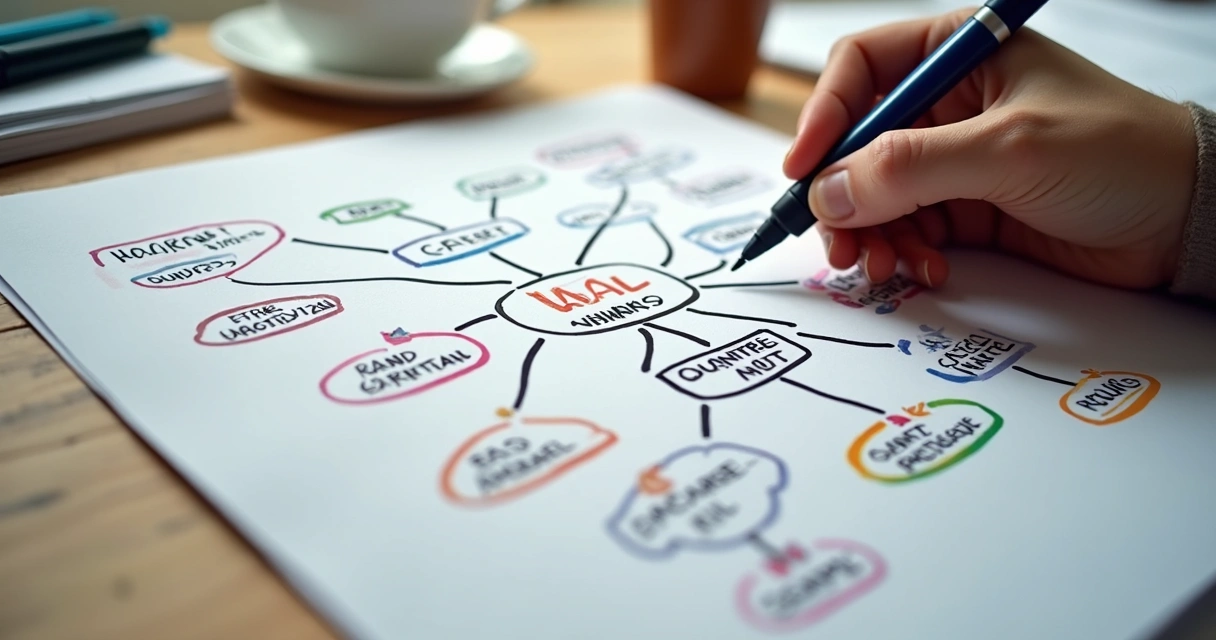
These are not meant as quick fixes. Identity work is lifelong. In Marquesian Consciousness, we often say:
Integration is a journey, not a destination.
How does Neural Mind Guide relate to integrative self-identity?
Throughout my writing and work with Neural Mind Guide, the central aim is just this: to provide readers with tools, language, and structure so that they can live with greater coherence, depth, and freedom. Our approach respects science, philosophy, and lived experience, bridging what can sometimes feel like separate realms.
The Marquesian model, presented through Neural Mind Guide, gives both clear ideas and practices for living a “whole” life—the kind of life that doesn’t sacrifice truth for comfort, but rather builds comfort from a foundation of truth.
Conclusion
Integrative self-identity is not only a psychological trend or a philosophical curiosity. From my experience and ongoing learning, it is the way we grow into ourselves fully—with courage, compassion, and a sense that our life means something. It is the heart of the work I do at Neural Mind Guide, and I invite you to learn more, participate in our training, or reflect with us as you build your own integrated life.
You are more than your roles. You are the story you choose to live.
If you are ready to move from fragmentation toward wholeness, I hope you will join me and the Neural Mind Guide community in this ongoing process of inquiry and transformation.
Frequently asked questions
What is integrative self-identity?
Integrative self-identity is the ongoing process of bringing together your thoughts, emotions, behaviors, relationships, and sense of meaning into a unified and authentic sense of self. It means living in a way that is honest and consistent across different situations, rather than presenting separate “selves” in different parts of life.
How can I develop integrative self-identity?
You can develop integrative self-identity by reflecting on your values and actions, recognizing areas where you feel divided, and taking small steps to live in greater alignment with your true beliefs. Practices like daily journaling, honest conversations, and mapping out your priorities help. Support from trusted people or resources like Neural Mind Guide can provide structure and encouragement.
Why is integrative self-identity important?
Integrative self-identity is important because it reduces inner conflict, increases clarity, and helps you make choices that truly reflect who you are. It fosters resilience, improves relationships, and encourages a purposeful life. Many problems people experience—such as confusion, stress, or lack of motivation—often relate to fragmented identity.
What are the benefits of integrative self-identity?
When you live with integrative self-identity, you typically feel more peaceful and focused, make more intentional decisions, and experience relationships that feel genuine. People often report higher life satisfaction, adaptability, and the ability to handle stress constructively. There’s greater room for self-forgiveness and personal growth.
Is integrative self-identity worth practicing?
Yes, practicing integrative self-identity is worth it for anyone seeking a life that feels more meaningful, connected, and true to their values. While the process can be challenging, the rewards in terms of clarity, emotional well-being, and personal fulfillment are significant. Many find that it becomes not just a practice but an ongoing path toward maturity and self-understanding.