
Our lives are lived across screens, networks, and endless digital connections, and with each new technology, the contours of who we are shift.
We are witnessing a rapid and deep transformation: not only in how we communicate or entertain ourselves, but in how we define the self. In recent years, research has highlighted the nuanced interplay between technology and individual well-being (OECD analysis), pointing to ways that digital living does not simply "impact" selfhood, but reshapes its very boundaries daily.
To understand ourselves in the digital age, we must look beyond the screen and into our minds.
Let us walk through five distinct ways digital culture shapes these boundaries, calling attention to critical, often subtle, shifts in our self-perception, identity, and sense of presence.
Blurring the line between public and private self
One of the most notable effects of digital culture is the erosion of the border separating what we keep private and what we make public. We curate, edit, and share our lives in public forums, often unconsciously adjusting our narratives to fit the lens through which we are viewed by others. The digital environment not only enables but sometimes encourages us to expose more than we ever would offline.
Social networking encourages a continuous performance of self, reshaping our idea of authenticity.
Personal milestones and struggles are often presented for public consumption, generating feedback loops through likes, reactions, or comments.
This perpetual presence in online spaces challenges the traditional notion of a stable, inward-facing self.
According to studies examining hyper-customized digital environments, individuals become acutely aware of their self-presentation, sometimes feeling pressure to create an image that garners approval (Frontiers in Psychology article).
Multiple selfs in a fragmented digital landscape
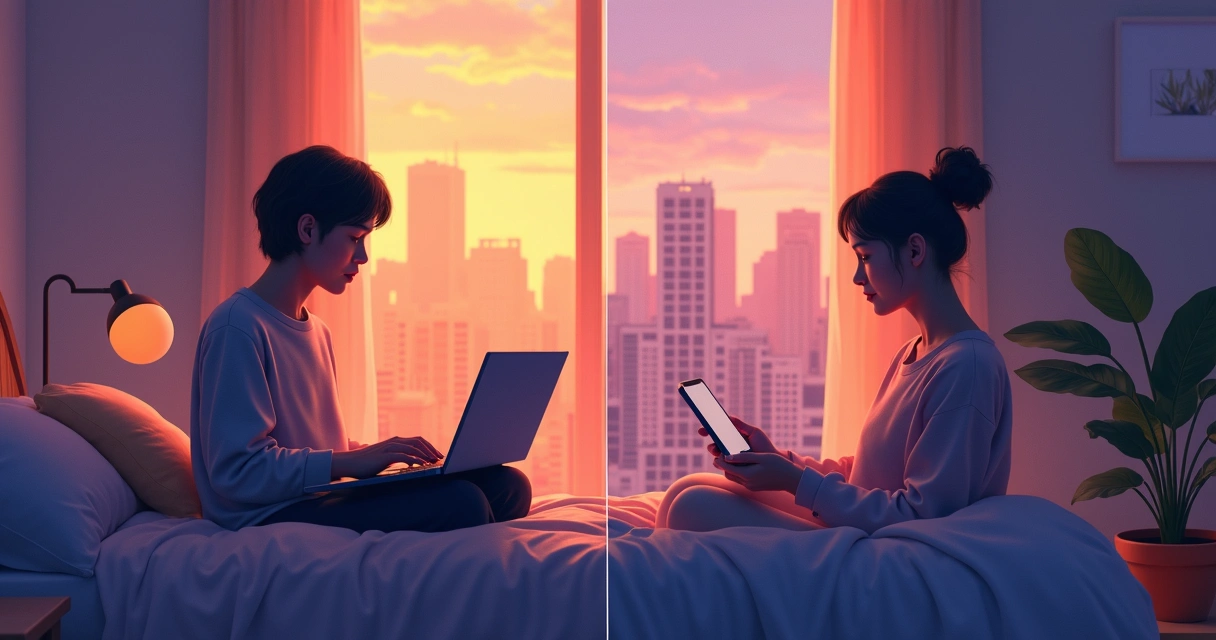
Today, our identities are dispersed across many digital locations, each with its own set of norms, avatars, and expectations. In practice, we may present one aspect of ourselves on a professional network, another in a forum for hobbies, and yet another in a chat with friends or family.
This fragmentation is not necessarily negative—it can be freeing, as it offers a space to experiment, adapt, and grow.
Yet, it also creates tension as we struggle to keep these multiple selfs coherent, or at least compatible, with our sense of who we are offline.
Endlessly switching between contexts invites a kind of self-surveillance, where we become both actor and audience in our own lives.
Interestingly, research like the national survey in Wales found that higher engagement with digital environments can both boost and harm self-esteem, highlighting how these fragmented self-presentations multiply the possible outcomes of online life (national survey in Wales).
We are many selves, shaped by many screens, seeking unity in a divided world.
Shifting boundaries of time and presence
Our sense of time and place has always helped define our selfhood. In digital culture, these boundaries are porous. Physical presence is no longer a barrier to participation; meetings happen across time zones, conversations persist asynchronously, and memories are preserved as data more than as fleeting experiences.
Notifications, messages, and feeds keep us tethered to digital spaces even when we wish to unplug.
We often struggle to separate 'work time' from 'home time,' or to disconnect entirely, leading to a continual, background hum of engagement that changes the rhythm of our lives.
The lack of clear stopping points can blur the necessary boundaries for rest, making it harder to distinguish between digital activity and true presence in the moment.
According to analysis across multiple countries, well-being decreases with high levels of screen use, especially when mixed with sleep loss and inactivity (OECD analysis across 14 countries). Digital culture therefore not only changes our schedule, but our experience of being present.
Reshaping self-esteem and self-perception
Our understanding of who we are is deeply tied to how we feel about ourselves. Digital spaces, filled with curated profiles, highlight reels, and moments of apparent perfection, offer a new context for measuring self-worth.
We have seen in studies that digital engagement can produce surprising results: it might enhance self-esteem for some, offering recognition and connection, while for others it can have the opposite effect—fueling comparison, envy, and a sense of inadequacy (study using DOAT measure).
The dynamics of likes, shares, and comments introduce a constant feedback loop for self-perception.
Experiencing FOMO (fear of missing out) is increasingly common, leading individuals to question the completeness or value of their own experiences.
Self-worth becomes more dependent on visible signals, sometimes at the cost of deeper, less quantifiable sources of confidence.
What we see online can magnify or distort our sense of value.

Redefining relationships and the sense of belonging
Our relationships have always been core to our sense of self. Digital culture has changed how we connect, introducing networks that are far wider (and sometimes thinner) than in-person ties.
We can maintain dozens or even hundreds of digital acquaintances, but sometimes at the expense of deep, enduring relationships.
Support, affirmation, and even conflict can happen instantly and publicly, which may reshape our understanding of trust and intimacy.
Belonging is now measured as much by followers and memberships as by personal connections. This shift can bring both expanded inclusion and feelings of isolation.
Digital culture has brought new opportunities for community, but also new forms of loneliness and comparison.
As suggested by global research on well-being, the future impact of digital life on mental fitness and happiness remains complex and uncertain (Pew Research Center survey).
Conclusion: Toward conscious boundaries
We have seen that digital culture does not just add convenience or entertainment—it changes the boundaries of who we are. Our private and public lives blend. Identities multiply and fragment. Time, presence, and relationships mean something different from what they did even a generation ago.
These shifts ask us to become conscious curators of our boundaries—both in digital and physical life. By paying attention to our self-presentation, seeking coherence among our many selfs, and setting deliberate borders around our time and attention, we can define our boundaries in healthier, more intentional ways.
The digital world reshapes our selfhood, but it also empowers us with new tools for self-understanding and growth.
Frequently asked questions
What is digital culture?
Digital culture refers to the set of values, behaviors, practices, and norms that develop around digital technologies and online communication. It covers how we use social media, online networks, and digital platforms to interact, create, and share content in everyday life. Digital culture affects everything from how ideas are spread to how relationships are formed.
How does digital culture affect selfhood?
Digital culture shapes selfhood by changing how we see ourselves and relate to others. It impacts the way we present our identity online, the boundaries between our public and private lives, and how we compare ourselves to others. Frequent engagement can create opportunities for self-expression but also challenges our well-being by blurring the boundaries that protect personal identity and self-esteem.
What are the main digital boundaries?
Main digital boundaries include the separation between public and private sharing, managing multiple digital identities, establishing time away from screens, and deciding who can access personal information. These boundaries determine how much of ourselves we share and how we maintain our sense of self in digital environments.
Can digital culture change personal identity?
Yes, digital culture can change personal identity by encouraging experimentation with different aspects of the self online. People may adopt new roles, experiment with various presentations, or feel pressure to conform to certain digital norms. Over time, these influences can reshape self-perception and even alter offline behavior.
How to set boundaries online?
To set boundaries online, decide what you are comfortable sharing, use privacy settings, schedule regular breaks from screens, and limit who can interact with your content. Being mindful about digital engagement helps maintain personal well-being and protects your sense of self from unwanted influences.